
Banking Locker Service: Charges, Rules, and Formalities to Open a Locker in India
Today as we know that crime is increasing day by day that why we want to keep your valuable items — like jewelry, property documents, or important certificates — safe from theft or damage, a bank locker is one of the most secure options easily available near by many banks . Most Indian banks offer locker facilities to their customers, but before you rent one, it’s important to understand the charges, eligibility, and procedures involved. In this post, we’ll cover everything you need to know about banking locker services in India, including charges, formalities, rules, and safety tips.
vk
10/11/20252 min read
What Is a Bank Locker?
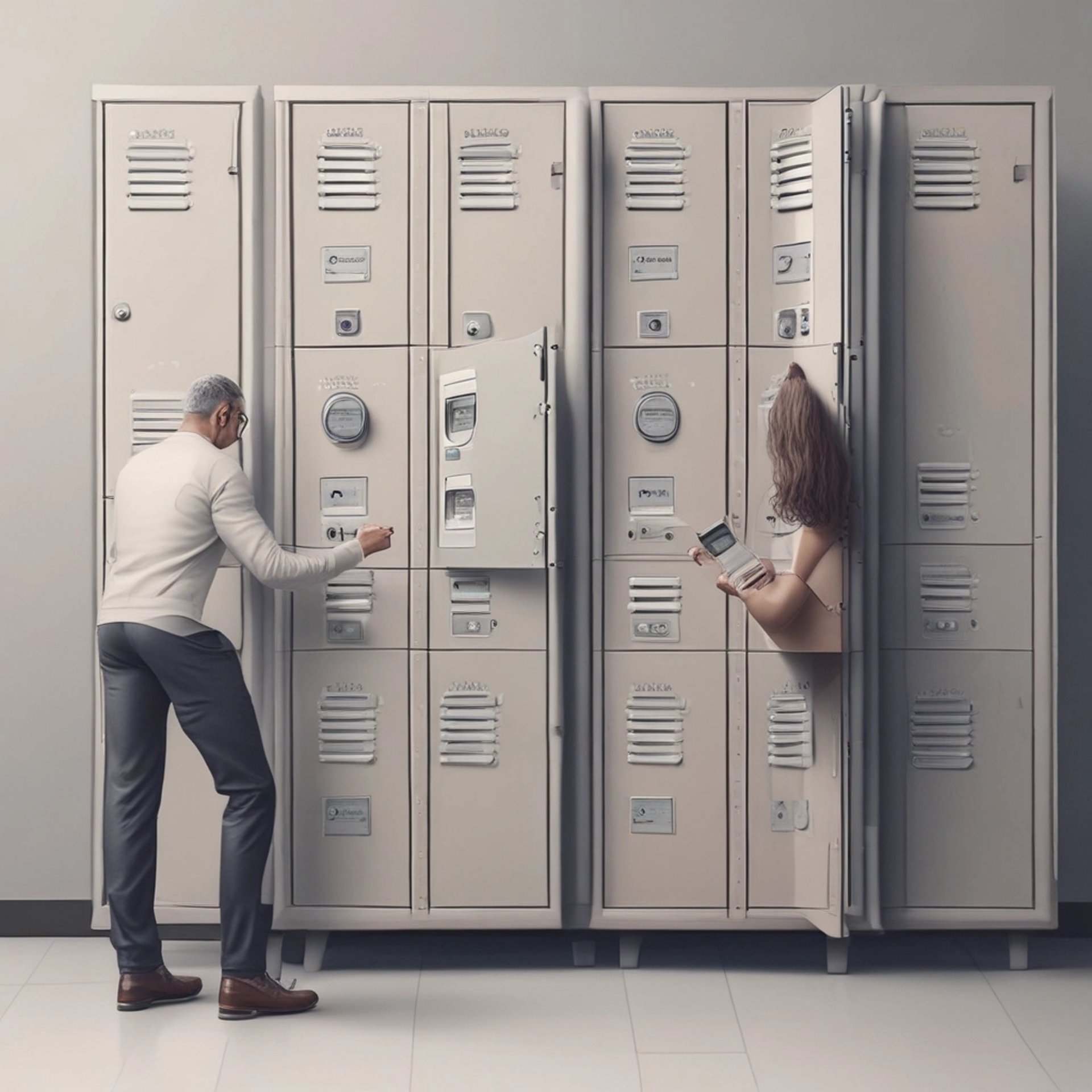
A bank locker is a secure storage facility provided by banks to customers for keeping valuable items. These lockers are installed inside strong rooms or vaults and are protected with high-level security measures. Banks rent these lockers for an annual fee, and customers can access their locker during bank working hours.
Types of Locker Facilities:->
Banks generally provide lockers in different sizes — Small, Medium, Large, and Extra-Large — based on customer needs. The locker rent depends on: The size of the locker, and The branch location (metro, urban, semi-urban, or rural).
For example:->
Small locker (Urban area): ₹1,500 – ₹3,000 per year
Medium locker: ₹3,000 – ₹6,000 per year
Large locker: ₹6,000 – ₹12,000 or more per year
Additionally, GST @18% is applicable on locker rent.
Bank Locker Charges in India (2025 Update):->
Locker charges vary from bank to bank. Below are approximate annual charges (excluding GST):
Bank Name Small Locker Medium Locker Large Locker
SBI ₹1,500 – ₹4,000 ₹5,000 – ₹8,000 ₹10,000+
HDFC Bank ₹3,000 – ₹6,000 ₹7,000 – ₹12,000 ₹15,000+
ICICI Bank ₹3,000 – ₹5,000 ₹6,000 – ₹10,000 ₹12,000+
Axis Bank ₹2,500 – ₹5,500 ₹6,000 – ₹9,500 ₹11,000+
PNB ₹1,500 – ₹4,500 ₹5,000 – ₹8,000 ₹10,000+
(Note: Charges may differ by location and branch category and bank. Always confirm with your bank.)
Formalities to Open a Bank Locker:->
To open a locker, you must be a bank account holder with the same bank.
Here’s the process:
Step 1: Choose the Bank and Branch
Select a nearby branch offering locker facilities. Some branches maintain a waiting list if all lockers are occupied.
Step 2: Fill Locker Application Form
Complete the Locker Agreement Form provided by the bank under the Banking Regulation Act and RBI guidelines.
Step 3: Submit KYC Documents
You must provide:
PAN Card
Aadhaar Card / Passport / Voter ID
Passport-size photographs
Address proof
Step 4: Sign Locker Agreement
The agreement outlines rights, responsibilities, and terms of usage for both parties.
You’ll receive a copy of the agreement along with locker details.
Step 5: Security Deposit
Banks usually ask for a Fixed Deposit (FD) as collateral — typically covering 3 years of rent + breaking charges.
Important Rules (As per RBI Guidelines 2023):->
Nomination is Mandatory: Always add a nominee to ensure smooth access in case of the locker holder’s death.
Annual Operation: Visit and operate your locker at least once a year to keep it active.
Penalty for Non-Operation: If a locker remains unoperated for more than 7 years, banks can treat it as “unclaimed” and follow RBI’s disposal rules.
Liability for Loss: RBI mandates banks to compensate customers up to 100 times the annual rent in case of proven negligence or fire/theft inside the vault.
SMS/Email Alerts: Banks must send alerts each time a locker is accessed.
Tips Before Taking a Locker:->
Avoid storing cash or illegal items in lockers — it’s against RBI rules.
Prefer joint lockers with family members for convenience.
Keep a record of valuables stored inside.
Review annual rent hikes every year (usually 10–20%).
Always check RBI’s latest locker guidelines for updates.
Read Locker agreement properly before signature.
Rocker should always open jointly with nomination with proper operation mode so that after any mishappening happen in future then you will not required to full fill much formalities to acquire your locker belongings .
Conclusion :->
Bank lockers offer peace of mind and high security for your valuables — but understanding the charges and formalities is essential for our concern. Compare locker rent across banks, read the agreement carefully, and ensure you maintain an active relationship with your bank. If you’re planning to open a locker, contact your nearest bank branch and check availability, rent, and safety deposit rules.